Send Your Request
Fill in the form below and our team will get back to you shortly.
Your message has been received.
Our team will respond to your request as soon as possible.
Products
Industrial Calcium Carbonate Powder – Coated & Uncoated GCC Grades |
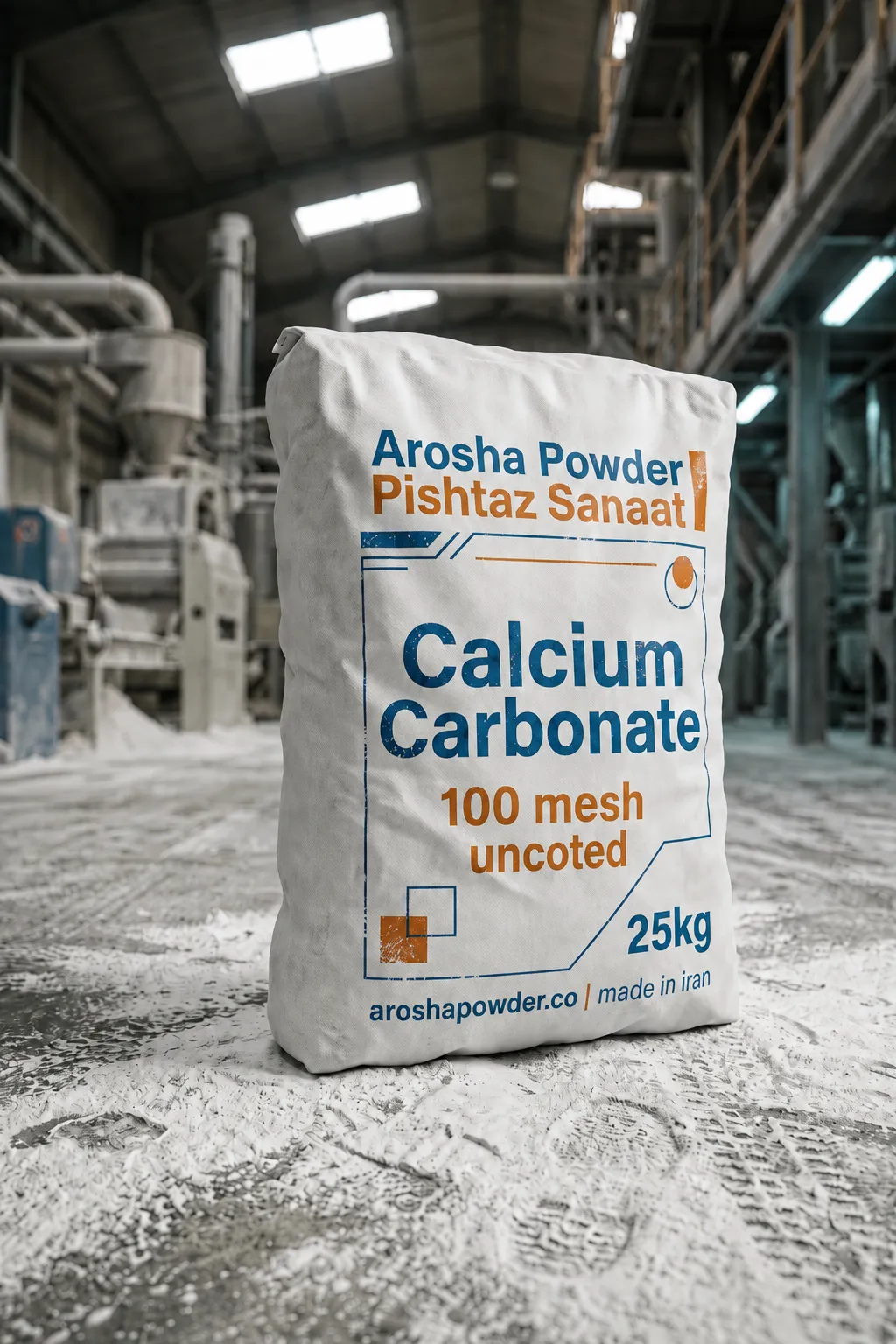
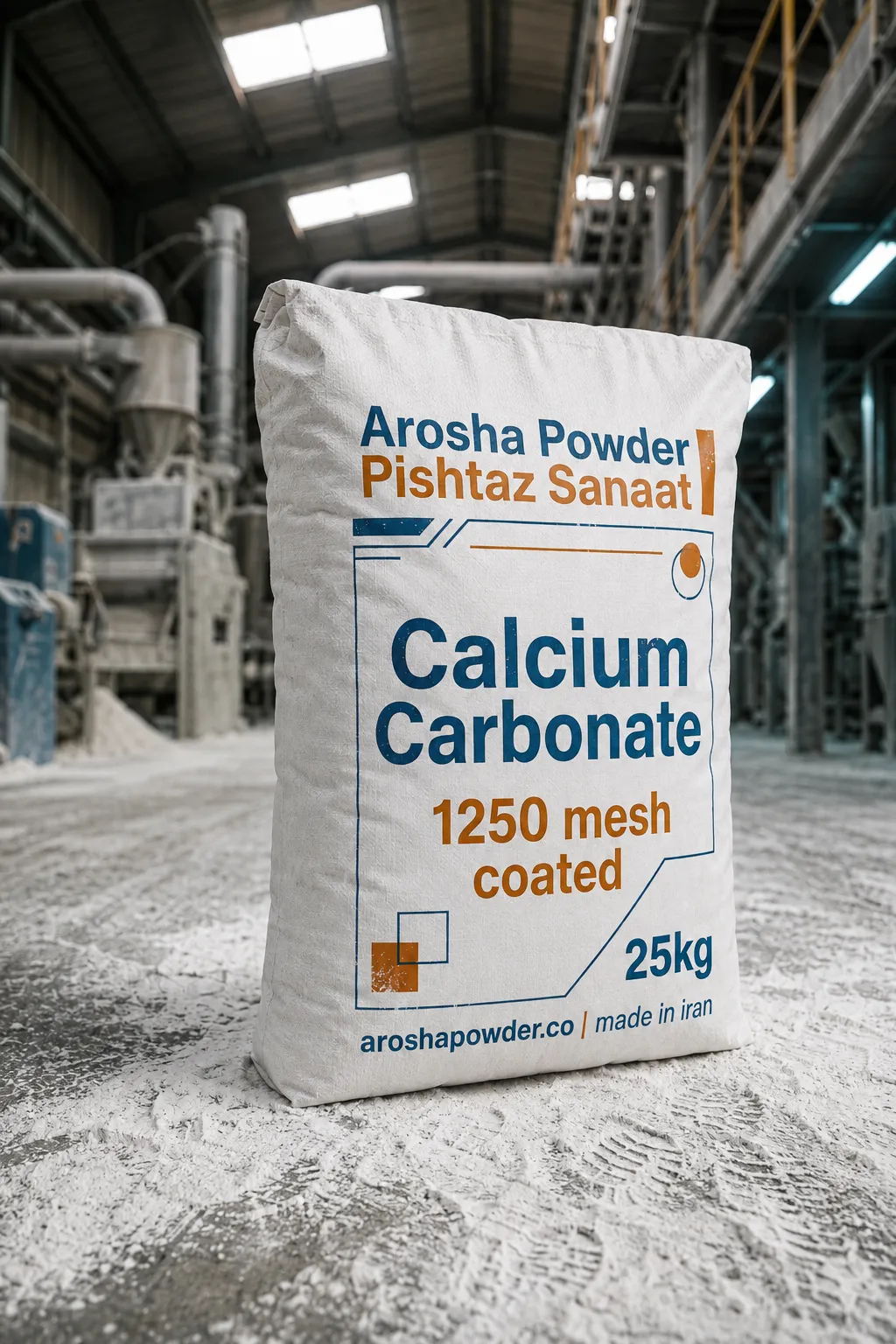
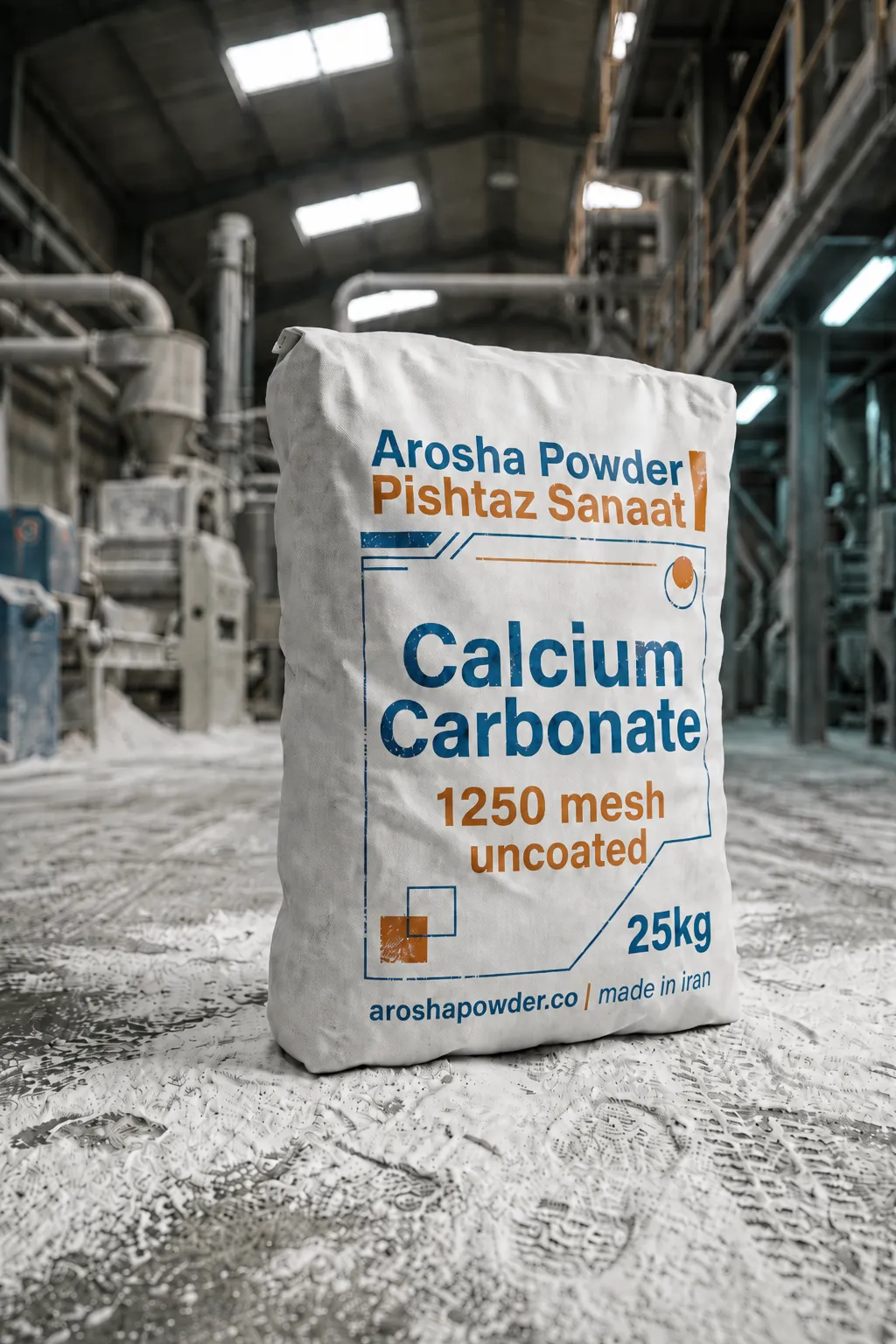
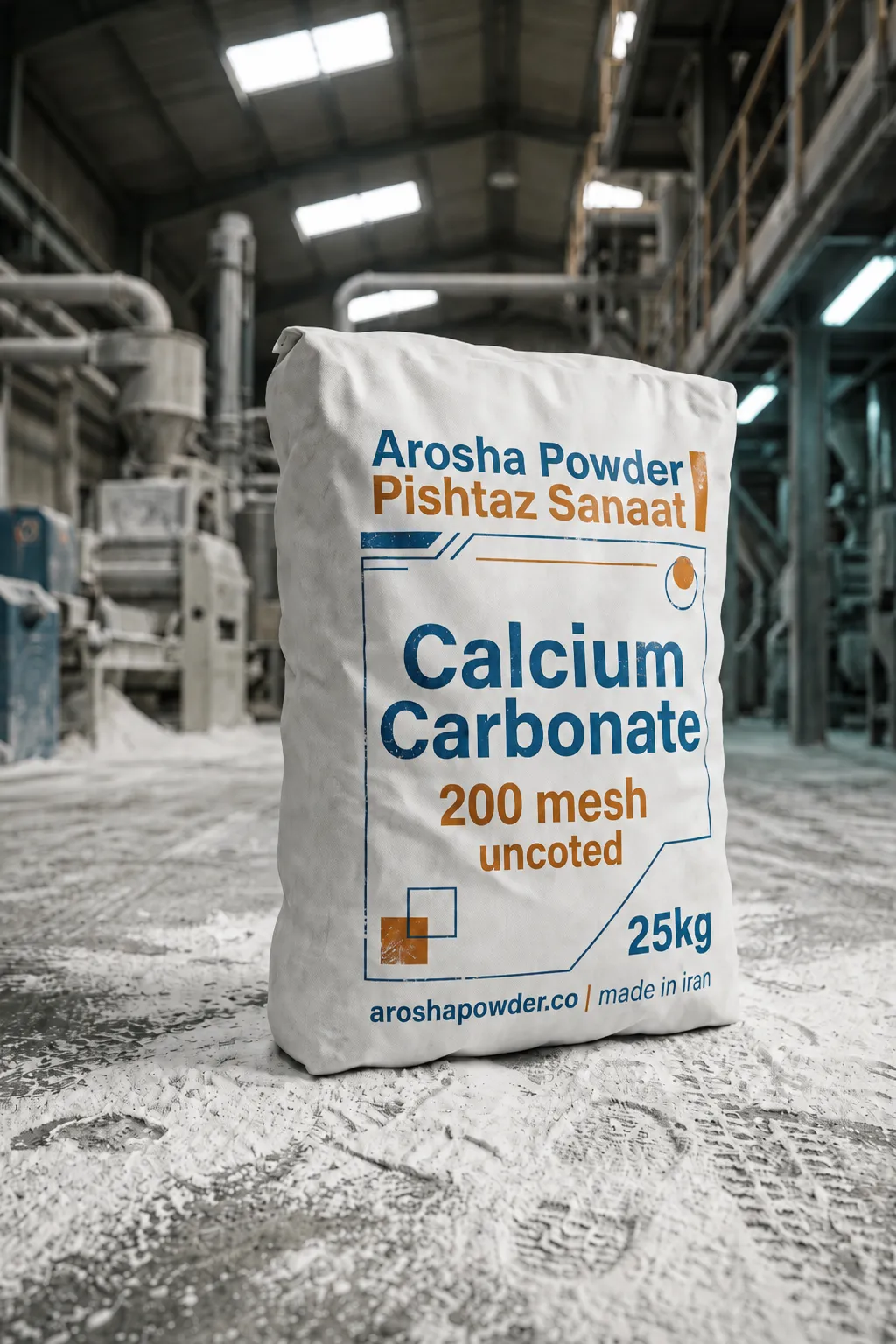
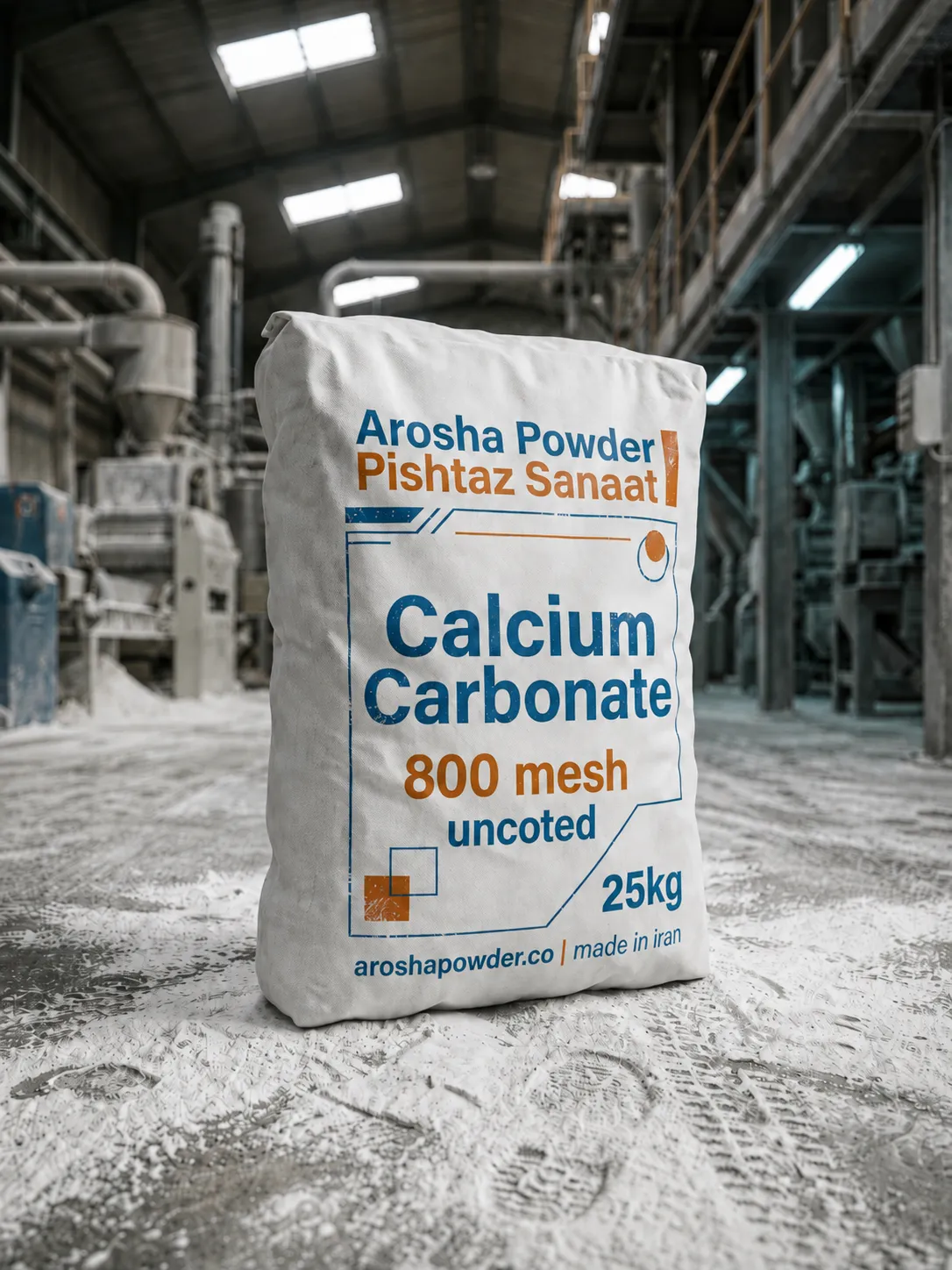
Arosha Powder manufactures and exports industrial calcium carbonate powder from selected natural limestone for plastics, PVC compounds, masterbatch, rubber, paints and coatings, adhesives, construction materials, paper, ceramics and other mineral-filled systems. Our portfolio includes coated and uncoated ground calcium carbonate (GCC) grades from 100 to 2500 mesh, allowing buyers to select the surface chemistry and particle profile that best fits their process.
Established in 2005, Arosha Powder combines direct access to four exclusive limestone mines with controlled grinding, classification, surface treatment and batch verification. Industrial buyers can request grade-specific technical data sheets, samples, batch certificates of analysis, packaging information and export quotations for repeat or volume supply.
Calcium carbonate should not be selected by price or mesh number alone. The correct grade depends on the formulation matrix, required surface finish, filler loading, processing temperature, moisture sensitivity, particle-size distribution and the quality limits agreed with the supplier. Arosha Powder divides its GCC portfolio into two clear families: coated grades for systems that benefit from a hydrophobic surface, and uncoated grades for processes that are compatible with the natural mineral surface.
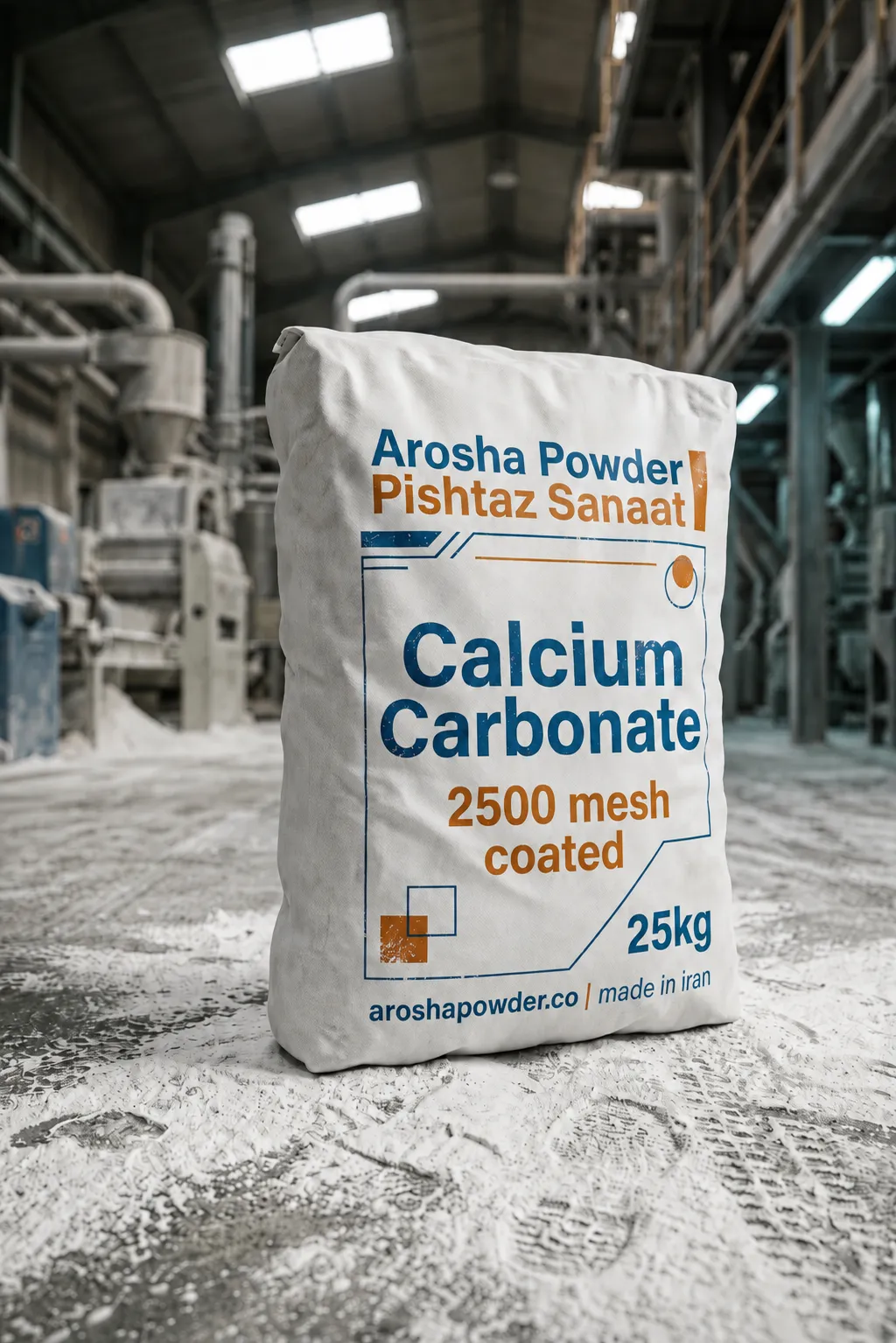
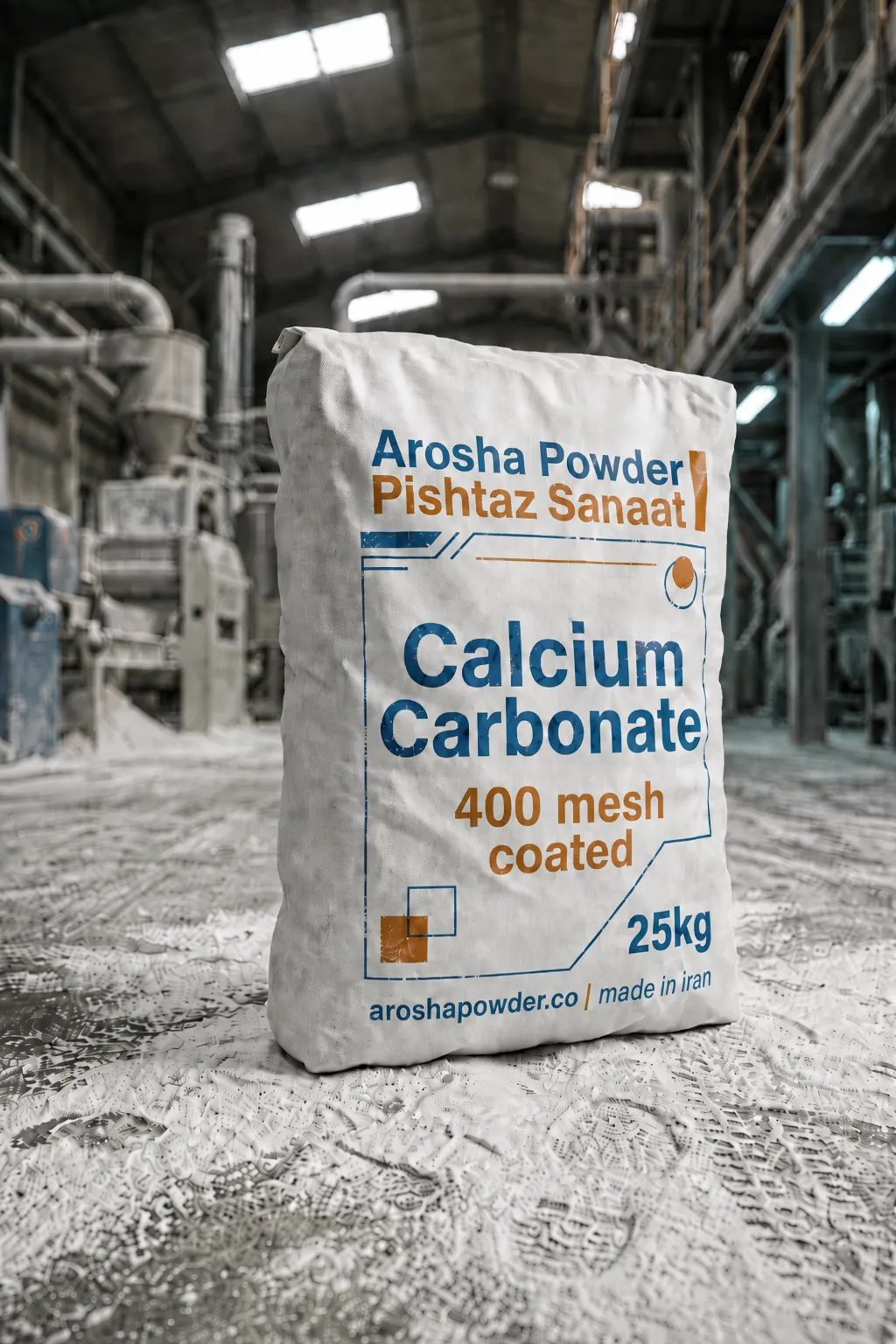
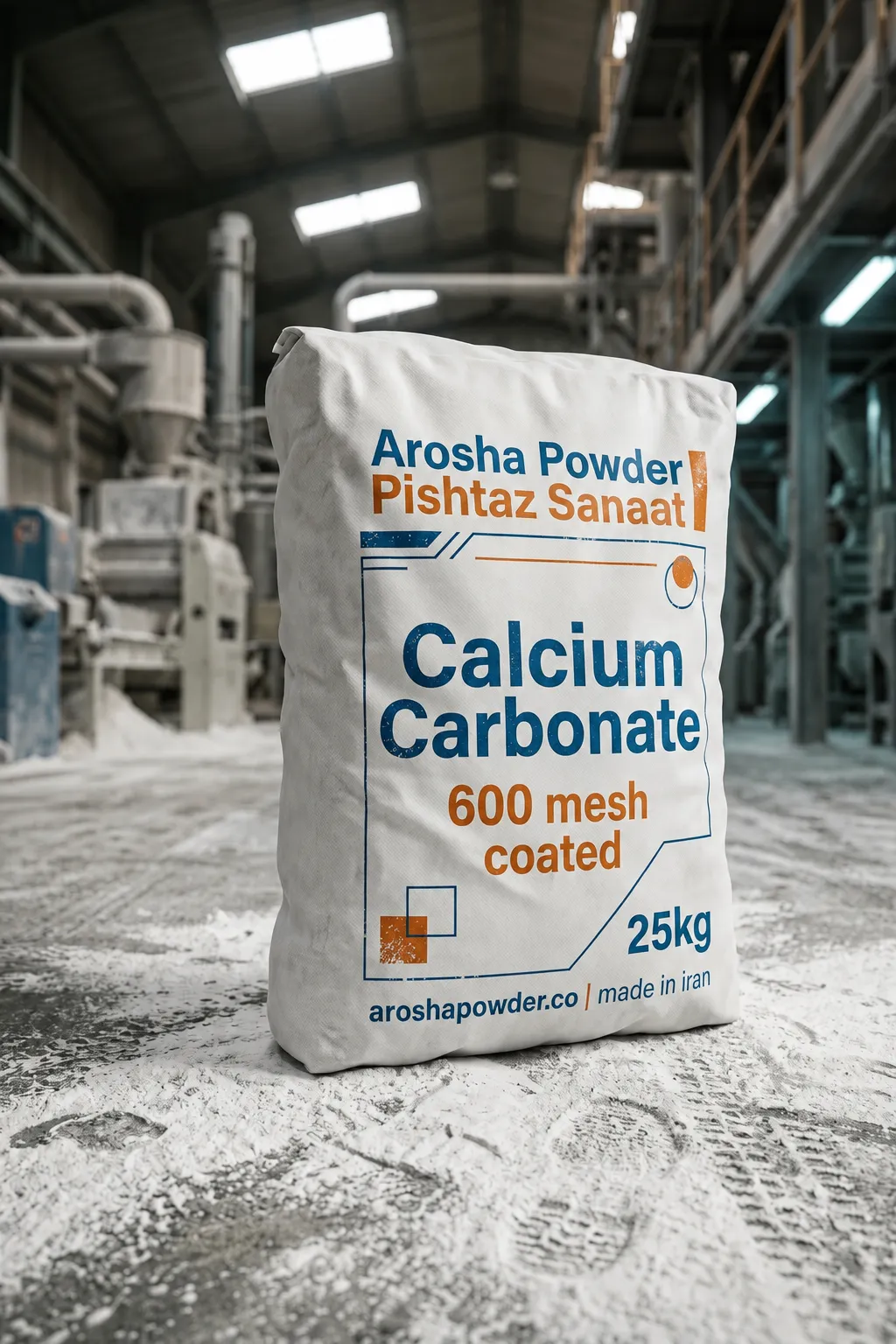
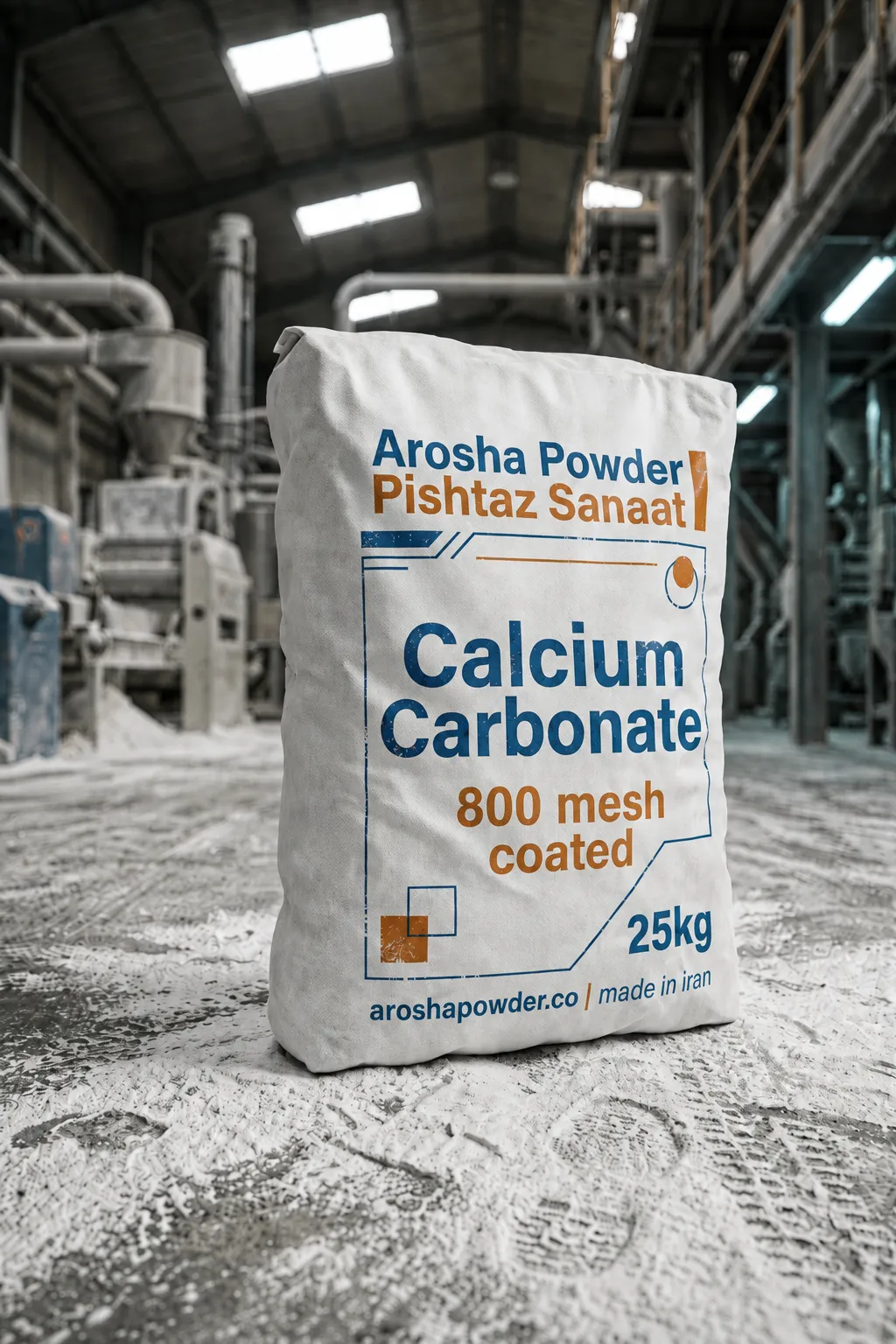
Coated ground calcium carbonate is surface-treated with stearic acid to improve wetting and dispersion in many hydrophobic polymer and elastomer systems. It is commonly evaluated for rigid and flexible PVC, filler masterbatch, polyethylene and polypropylene compounds, cables, rubber and selected adhesives or sealants. The optimum coating level and particle profile must be matched to the resin, additive package, filler loading and processing equipment.
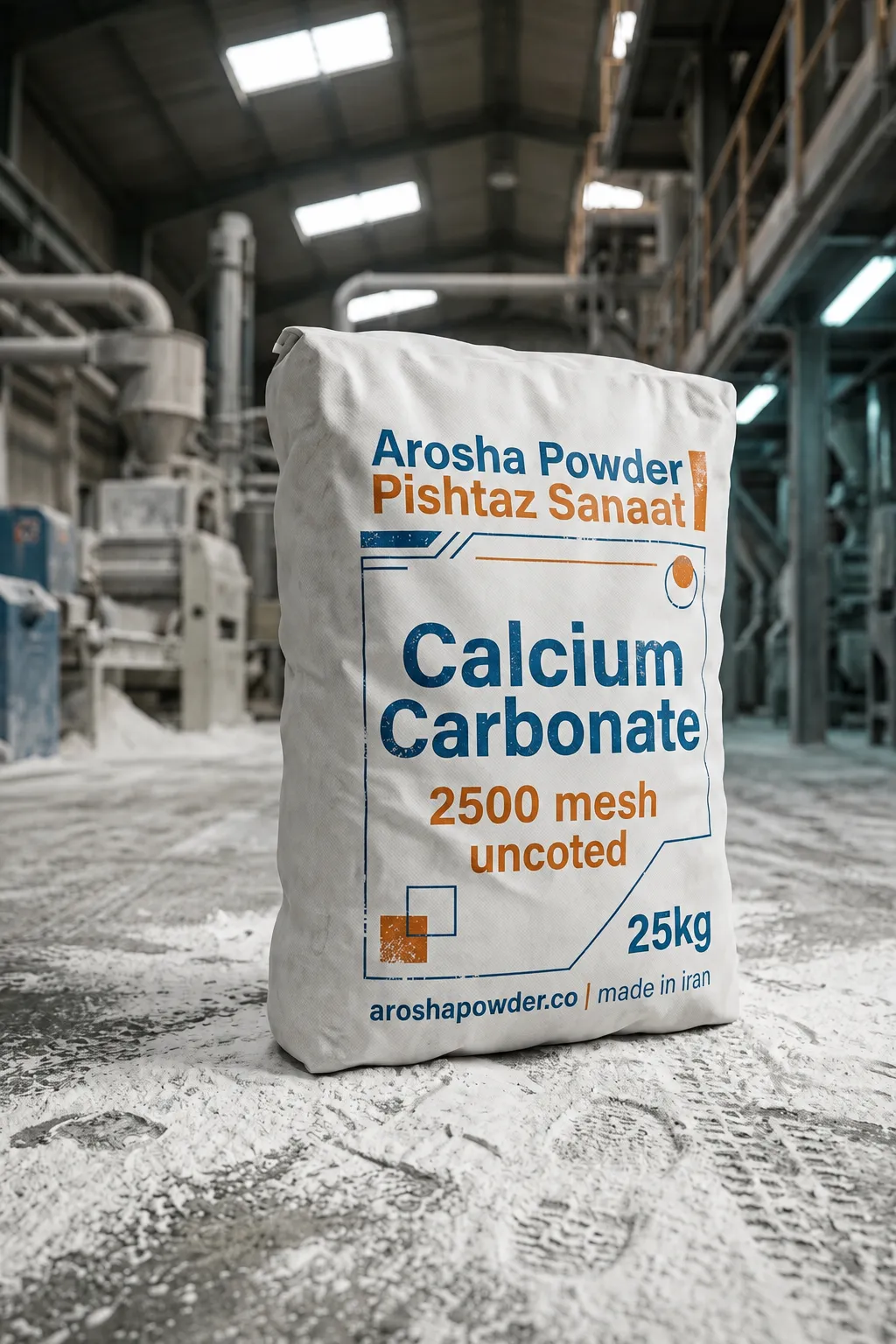
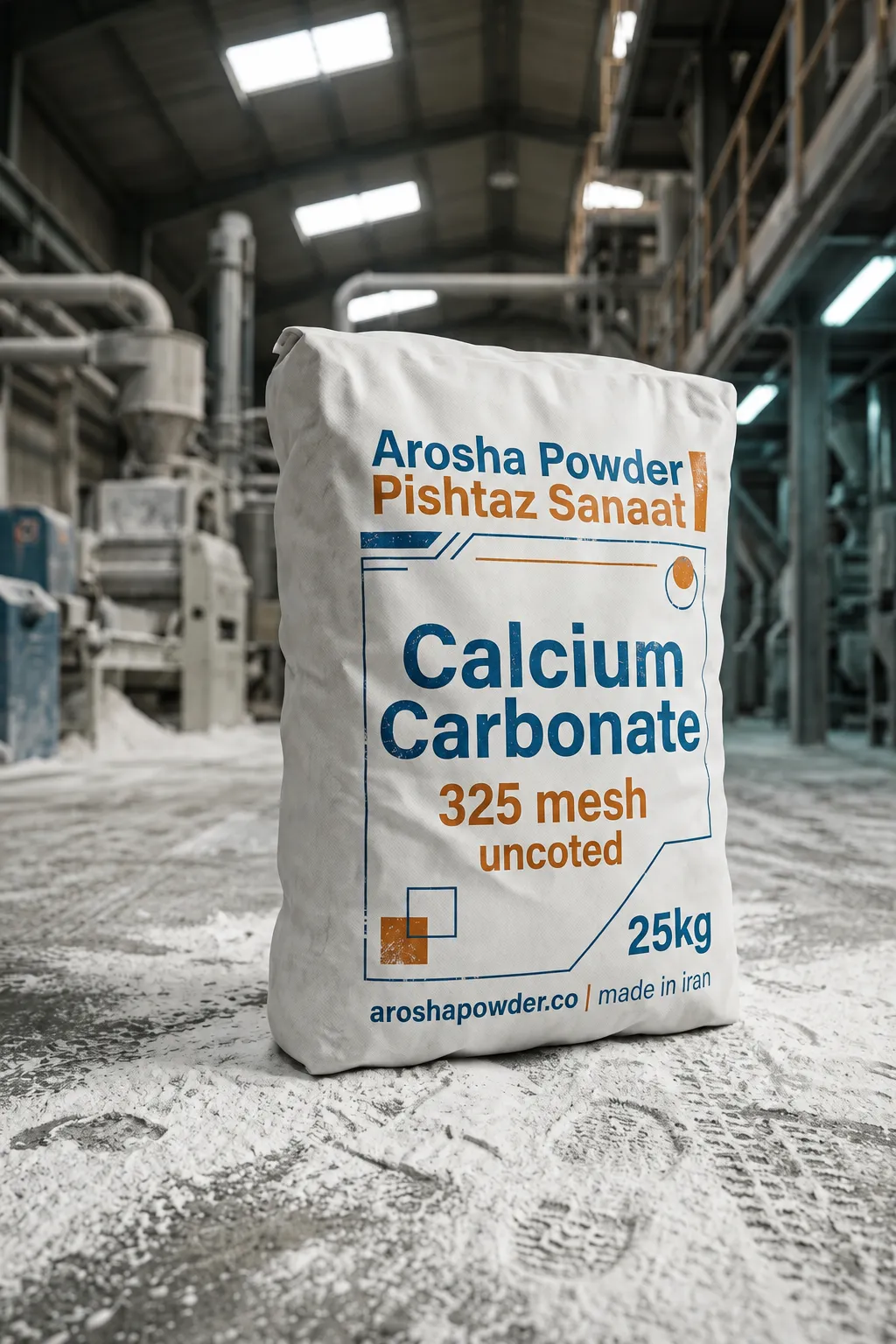
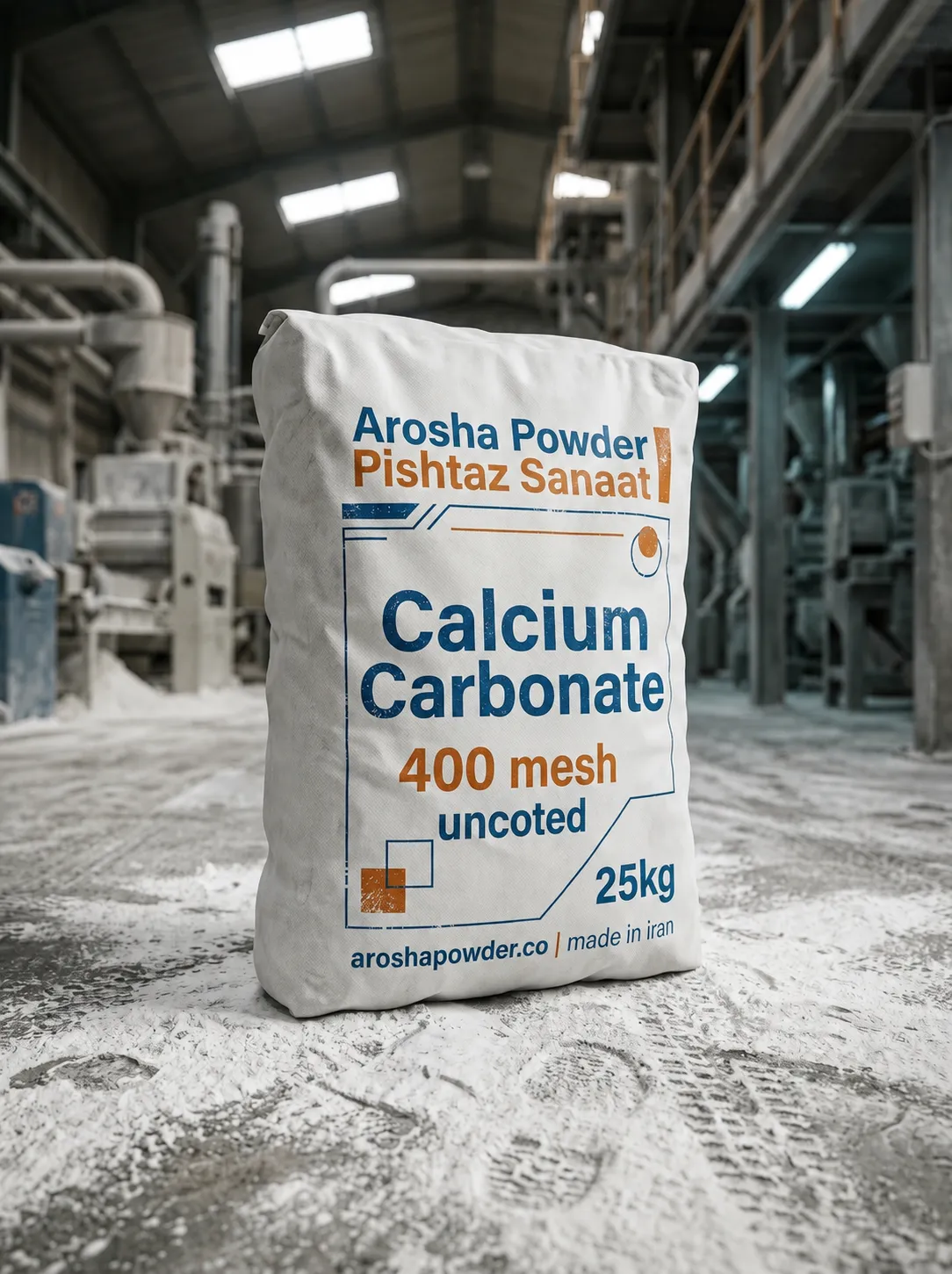
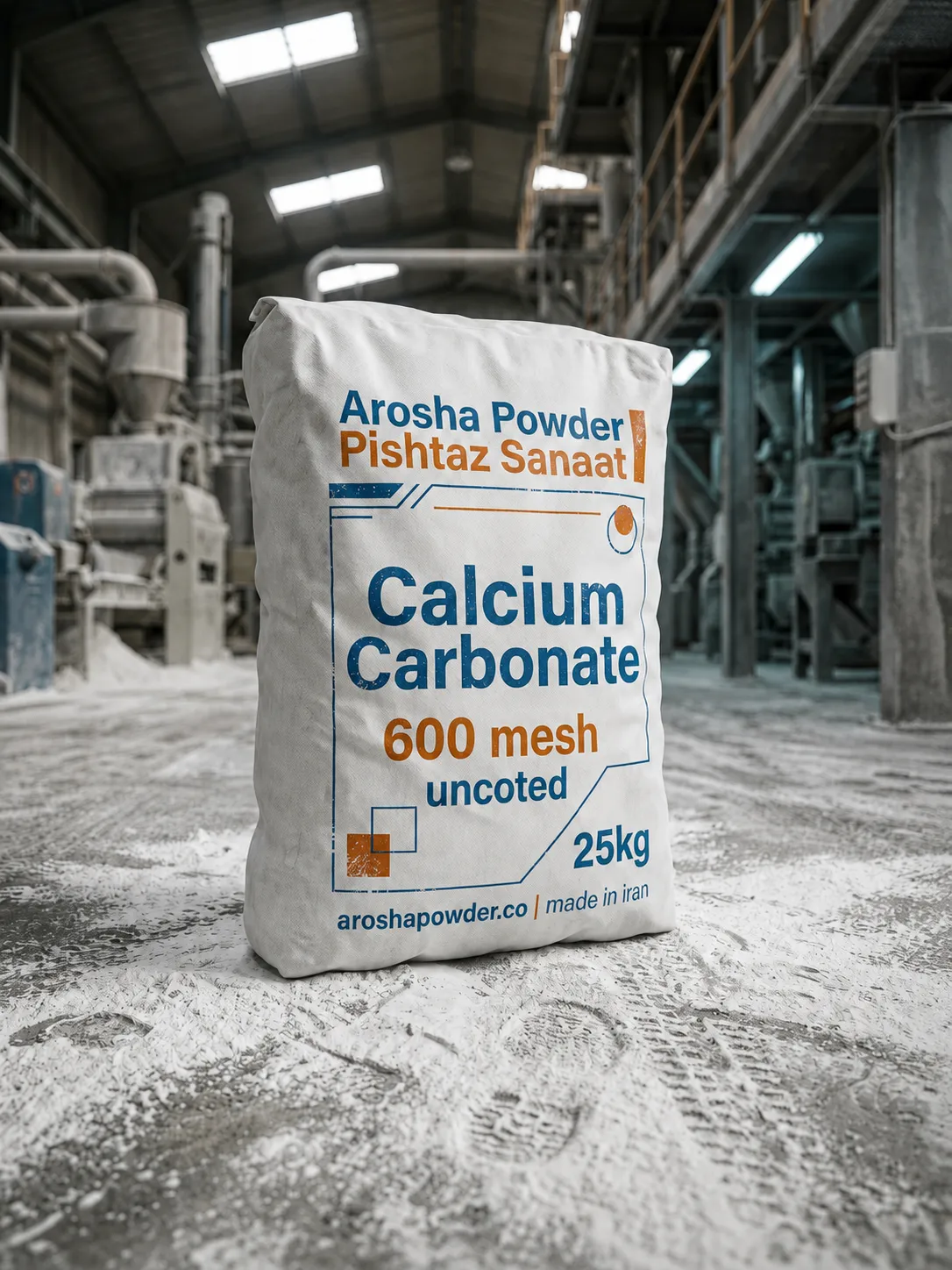
Uncoated ground calcium carbonate retains the naturally hydrophilic mineral surface. It is a strong starting point for wall putty, dry mortar, cement-based products, primers, textured coatings, ceramic bodies and other water-based or mineral systems. Selected uncoated grades may also be used in plastics, rubber, adhesives and paper when the formulation and processing conditions can accommodate an untreated surface.
The tables below are a selection guide, not a substitute for a grade-specific TDS or production trial. Mesh describes a nominal fineness class; it does not provide a complete particle-size distribution. Before approval, compare the relevant D50, D97, sieve residue, whiteness, moisture, purity and test method for the exact grade.
| Grade | Relative Fineness | Best Starting Point |
| 100 Mesh | Coarse | Heavy construction fillers, general mineral loading and applications where a textured finish is acceptable. |
| 200 Mesh | Coarse to medium | Dry mixes, putties, general rubber goods and cost-driven industrial filling. |
| 325 Mesh | Balanced medium-fine | Wall putty, mortars, primers, sealants, general compounds and smoother construction finishes. |
| 400 Mesh | Medium-fine | Finer putties, coatings, adhesives, rubber and selected plastics requiring improved surface uniformity. |
| 600 Mesh | Fine | Paints, sealants, plastics, rubber and applications needing a finer distribution than 400 mesh. |
| 800 Mesh | Finer | Coatings, polymers, paper and smoother formulations subject to grade-specific testing. |
| 1250 Mesh | Micronized | Higher-finish coatings, plastics, paper and specialized filled systems. |
| 2500 Mesh | Ultra-fine | Premium surface finish, specialty coatings and technically demanding formulations. |
| Grade | Relative Fineness | Best Starting Point |
| 400 Mesh | Medium-fine | Rigid PVC, filler masterbatch, rubber and high-volume polymer compounds where economy and loading are priorities. |
| 600 Mesh | Fine | PVC, masterbatch, rubber and general polymer compounds requiring improved surface finish. |
| 800 Mesh | Finer | Flexible PVC, films, profiles, cables and polymer applications needing finer dispersion. |
| 1250 Mesh | Micronized | Premium masterbatch, cables, thin-wall products, films and smoother polymer surfaces. |
| 2500 Mesh | Ultra-fine | Specialty polymers, coatings and applications where very fine particles and refined finish are required. |
The first decision is whether the formulation needs a natural hydrophilic surface or a stearic-acid-treated hydrophobic surface. Coated material is not automatically superior, and uncoated material is not automatically cheaper in use. The right choice is the grade that delivers stable processing and the required finished properties at the lowest total formulation cost.
A mesh designation should be supported by measurable particle-size controls. D50 describes the median particle diameter, while D97 is commonly used as a practical top-size indicator. Sieve residue or percentage passing can provide an additional control for coarser grades. Comparisons are meaningful only when the instrument method and dispersion procedure are consistent.
CaCO3 content, magnesium, silica, iron and acid-insoluble matter can influence color, reactivity, processing behavior and suitability for sensitive applications. Buyers should define which impurities are critical for their process rather than relying on a single generic purity number.
Whiteness and brightness are important in paints, plastics, masterbatch, paper, putty and other color-sensitive products. The measurement method should be stated because values from different instruments or standards may not be directly comparable.
Moisture can affect storage stability, feeding and polymer processing. Oil absorption provides a useful indication of binder or plasticizer demand in some formulations. Bulk density influences bag volume, conveying, feeding and container utilization. These parameters should be evaluated together with the application, not as isolated marketing figures.
For repeat industrial supply, the approved purchasing specification and batch-specific COA are more important than a general website table. Request the applicable TDS, batch COA, sample, safety data, packaging specification and any destination-market documentation before commercial approval.
| Selection Factor | Uncoated GCC | Coated GCC |
| Surface | Natural hydrophilic mineral surface | Stearic-acid-treated hydrophobic surface |
| Typical starting systems | Water-based, cementitious, ceramic and mineral systems | PVC, PE, PP, masterbatch, rubber and other hydrophobic systems |
| Dispersion in polymers | May require more mixing energy or lower loading | Usually improved when coating and PSD match the formulation |
| Moisture behavior | More sensitive to moisture in hydrophobic processing | Reduced surface affinity for water |
| Primary buying question | Is surface treatment technically necessary? | Does the coating improve processing or performance enough to justify it? |
| Approval method | TDS + sample + production trial | TDS + coating verification + sample + production trial |
Buyer decision point: choose the treatment and particle distribution that solve the actual processing problem. Do not select coated material only because it sounds more advanced, and do not select uncoated material only because the price per ton is lower.
Calcium carbonate is used as a mineral filler and functional modifier in rigid PVC, flexible PVC, polyolefin compounds, filler masterbatch, profiles, pipes, cables, films and molded products. Surface treatment, top cut, moisture and oil absorption become increasingly important as filler loading rises or the finished product becomes thinner and smoother. Coated grades are usually the better starting point for hydrophobic polymer systems, but final selection must be validated in the buyer’s resin and additive package.
Ground calcium carbonate can provide mineral body, adjust gloss, support opacity systems, influence rheology and reduce dependence on higher-cost binders or pigments. Coarser grades are generally better suited to putties, primers and textured coatings, while finer grades are evaluated for smoother decorative and industrial finishes. Whiteness, particle-size distribution, oil absorption and impurity profile should be matched to the coating system.
Calcium carbonate is widely used as an economical mineral filler in mats, hoses, footwear, seals, gaskets, flooring and general rubber goods. Coated material may improve incorporation and dispersion in many rubber compounds, while uncoated grades remain suitable for cost-driven or less demanding products. The compounder should test hardness, tensile behavior, elongation, tear resistance, cure behavior and mixing time.
In compatible formulations, calcium carbonate can build body, influence viscosity, control extrusion or slump and improve formulation economics. Particle size and surface chemistry can strongly affect rheology, wetting and cured appearance. Buyers should compare coated and uncoated grades according to binder chemistry and loading level.
Uncoated GCC is a strong starting point for wall putty, skim coat, joint compounds, dry mortar, tile adhesives, grout, cement-based formulations and selected concrete applications. The grade can contribute to particle packing, consistency, workability and surface finish. Water demand, open time, adhesion, cracking resistance and sanding behavior should be verified in the complete formulation.
Calcium carbonate is used as a filler and coating pigment in selected paper and board processes. High-quality paper coating normally requires finer and tightly controlled mineral grades, and some processes use PCC rather than GCC. Buyers should specify whether the need is internal filling, coating, board production or a specialty paper application before selecting a grade.
Calcium carbonate may be used in ceramic bodies, glazes, household cleaning powders and other mineral-based products. Firing behavior, iron and silica content, abrasiveness, decomposition behavior and final color can be critical. Application-specific testing is required.
| Important application boundary Arosha Powder’s standard industrial calcium carbonate grades must not be described as food-grade, pharmaceutical-grade or feed-grade by default. Those uses require separate purity, heavy-metal, microbiological and regulatory documentation for the destination market. |
Moving to a finer mesh does not automatically improve every product. Finer grades can support smoother surfaces, tighter top cuts and more uniform dispersion, but they may also increase processing sensitivity, dust, binder demand, viscosity or material cost. Coarser grades can provide easier handling and lower cost, but may limit gloss, thin-wall performance or visual smoothness.
| Mesh Range | Positioning | Use as a Starting Point |
| 100–200 Mesh | Coarser / economy-focused | Heavy filling, construction products, textured surfaces and general-purpose formulations. |
| 325–400 Mesh | Balanced medium-fine | General industrial use, putties, mortars, primers, sealants, rubber and selected polymers. |
| 600–800 Mesh | Fine | Smoother coatings, polymer compounds, cables, profiles, adhesives and finer surface requirements. |
| 1250 Mesh | Micronized | Premium plastics, films, masterbatch, paper and high-finish applications. |
| 2500 Mesh | Ultra-fine | Specialty coatings, refined polymer surfaces and technically demanding formulations. |
Do not convert mesh directly into one guaranteed micron size. Approve the exact grade using the supplier’s D50, D97, sieve residue and test method.
Arosha Powder controls the route from selected limestone resources through grinding, classification, optional surface treatment, packaging and shipment preparation. Order-critical properties should be agreed before production and verified against the applicable test methods. For repeat supply, the approved specification becomes the commercial reference for batch release.
Available documentation may include:
View Technical Data Sheets
Review Arosha Powder Quality Control
Calcium carbonate powder can be supplied in industrial bag formats selected according to order volume, destination, handling equipment and customer requirements. Packaging, palletizing, private labeling, container loading, minimum order quantity, lead time and Incoterms must be confirmed in the commercial quotation for the selected grade.
To receive an accurate export quotation, send the final application, required grade or current supplier specification, monthly consumption, purity and optical requirements, particle-size limits, packaging preference, destination country and port.
Discuss Packaging and Export Logistics
Arosha Powder’s objective is to help the buyer qualify the grade that delivers stable processing and the required finished properties—not simply to sell the finest or most expensive powder.
Send the following information so our sales and technical teams can recommend the most relevant coated or uncoated calcium carbonate grade:
Request an Export Quote
Calcium carbonate powder is a mineral material with the chemical formula CaCO3. Arosha Powder’s main industrial portfolio is natural ground calcium carbonate (GCC) produced from selected limestone and supplied in coated and uncoated grades.
GCC is produced by grinding and classifying natural calcium carbonate minerals such as limestone or marble. PCC is chemically precipitated to create controlled particle shapes and sizes. This category is focused on Arosha Powder’s industrial GCC portfolio.
Uncoated GCC retains the natural hydrophilic mineral surface. Coated GCC is treated with stearic acid to improve compatibility in many hydrophobic polymer and elastomer systems. The correct choice depends on the formulation and processing conditions.
Select the grade according to surface treatment, D50, D97, sieve residue, required finish, filler loading and processing conditions. A finer mesh is not automatically the best choice. Share your current TDS and final application for a more accurate recommendation.
Grade-specific TDS documents can be provided for product evaluation. A COA should be issued for the identified production batch and compared with the approved purchasing specification.
Sample availability can be confirmed according to the selected grade, destination, required quantity and intended application.
Custom limits may be considered for repeat or volume orders, subject to laboratory and production feasibility approval before commercial confirmation.
Bag weight, liner, jumbo-bag configuration, palletizing, private labeling and container loading are confirmed in the quotation according to the selected grade and destination.
No. Standard industrial grades must not be treated as food, feed or pharmaceutical grades. These applications require separate regulatory and analytical documentation.
Send your application, current grade, monthly volume, technical limits, packaging requirement and destination port through the RFQ form or WhatsApp sales channel.