Step into any office, library, or home, and you’re surrounded by it: paper. From the crisp pages of a novel to the sturdy structure of a cardboard box, paper and board products are fundamental pillars of communication, packaging, and daily life. But have you ever considered the microscopic ingredients that give these materials their essential properties? While wood pulp fibre forms the backbone, a key mineral plays a critical, often underestimated, role in transforming basic pulp into the versatile, high-performance products we rely on. This unsung hero is Calcium Carbonate (CaCO₃).
The integration of calcium carbonate into paper and board making processes wasn’t just an incremental improvement; it was a paradigm shift. Historically, papermakers relied on more expensive and sometimes less effective materials to achieve desired characteristics like brightness and opacity. The advent of readily available, cost-effective calcium carbonate, in its various forms, opened doors to enhanced quality, improved printability, significant cost savings, and even environmental benefits. It transitioned from a simple additive to an indispensable functional component, profoundly influencing everything from the feel of a magazine page to the protective qualities of packaging board.
This comprehensive guide delves deep into the world of Calcium Carbonate Paper Making. We will explore why this mineral is so crucial, differentiate between its primary forms – Ground Calcium Carbonate (GCC) and examine their specific impacts on paper properties. We’ll uncover its dual role as both a filler within the paper sheet and a pigment in surface coatings, analysing how it elevates brightness, opacity, smoothness, and printability. Furthermore, we’ll touch upon its influence on manufacturing efficiency and its contribution to more sustainable papermaking practices. Prepare to discover the science and significance behind the mineral that makes modern paper possible.
The Foundation: Calcium Carbonate in Paper and Board Making as the Essential Papermaking Filler
At its core, paper is a web of cellulose fibres, typically derived from wood pulp. While fibre provides strength, using it exclusively is expensive and doesn’t always yield the desired sheet characteristics. This is where fillers come into play. In calcium carbonate paper and board making, CaCO₃ stands out as the predominant mineral filler, fundamentally altering the composition and properties of the final product. Fillers are inorganic materials incorporated into the pulp slurry before sheet formation. Their primary purpose is to occupy the spaces between fibres, effectively replacing a portion of the costly pulp fibre, leading to significant raw material cost reductions – a major driver for its widespread adoption.
Ground Calcium Carbonate (GCC): The Workhorse Filler
The most common type of calcium carbonate used as a filler is Ground Calcium Carbonate (GCC). Produced by finely grinding high-purity limestone or marble, GCC offers an excellent balance of performance and cost-effectiveness. Its integration into the paper structure brings multiple advantages beyond just cost savings. GCC particles effectively scatter light, significantly boosting the brightness (whiteness) and opacity (non-see-through) of the paper sheet. This means less fibre is needed to achieve a bright, opaque appearance, making it ideal for printing and writing grades where visual appeal is paramount. Furthermore, the presence of GCC particles helps create a denser, smoother sheet surface by filling the voids between fibres, which can improve print quality and tactile feel.
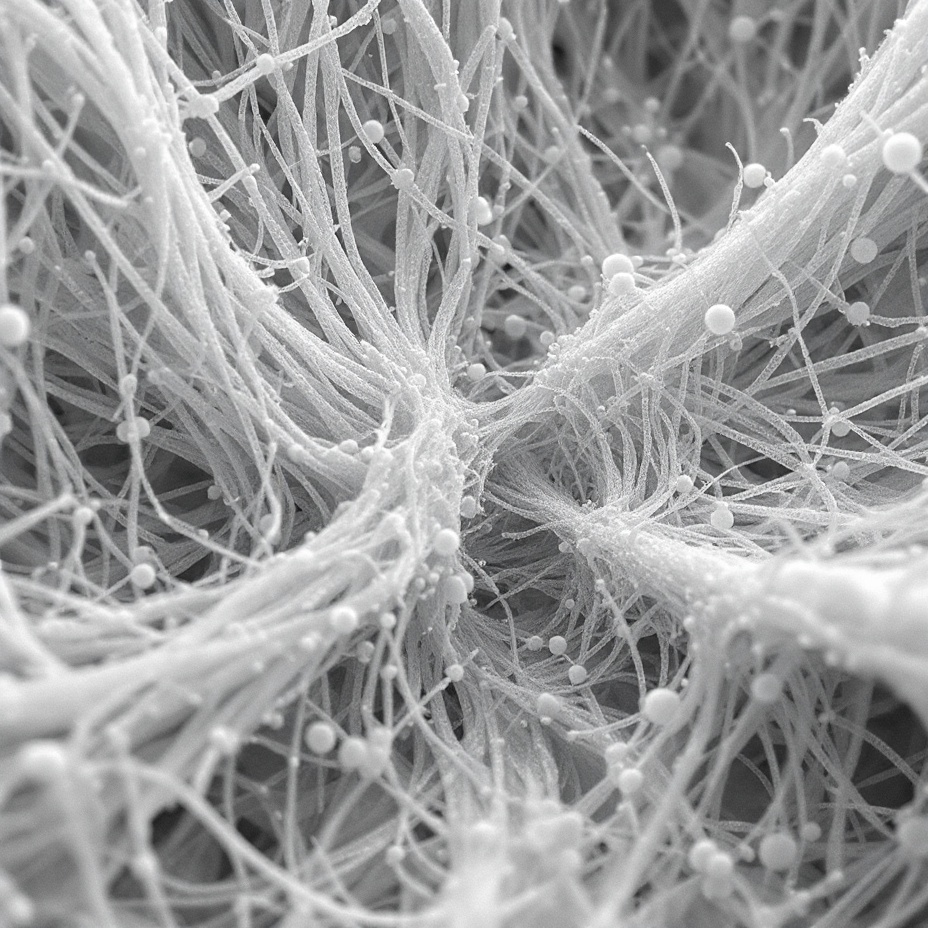
The specific particle size and shape distribution of the GCC can be tailored to influence properties like porosity and ink interaction. While primarily known for optical enhancements and cost reduction, the role of calcium carbonate extends beyond just being a passive filler, influencing runnability on the paper machine and paving the way for further surface enhancements, which we will explore next.
Enhancing the Surface: Calcium Carbonate as a Premier Coating Pigment
While incorporating calcium carbonate as a filler fundamentally alters the bulk properties of paper and board, its role doesn’t stop within the sheet. To achieve the demanding surface characteristics required for high-quality printing, packaging appeal, and specific functionalities, calcium carbonate paper and board making heavily relies on its use as a primary pigment in surface coatings. Paper coatings are thin layers applied to the base paper surface, designed primarily to enhance printability, gloss, smoothness, and visual appeal. Calcium carbonate, owing to its inherent brightness, cost-effectiveness, and versatile properties, is a cornerstone ingredient in these coating formulations, often referred to as coating ‘colors’.
Tailoring Surface Properties with GCC and PCC Coatings
Both Ground Calcium Carbonate (GCC) and its synthetic counterpart are utilized extensively in coating applications, each bringing distinct advantages. GCC, with its controlled particle size distributions, provides excellent opacity and brightness at a competitive cost. It forms a tightly packed structure on the paper surface, creating a smooth, uniform base ideal for printing. Fine and ultra-fine GCC grades are particularly favoured in coatings to achieve desired smoothness and gloss levels, especially in matte and satin finishes commonly found in magazines and promotional materials.
However, for applications demanding the highest levels of gloss, brightness, and specific ink interactions, specialized forms of calcium carbonate are employed. The engineered particle shapes and narrow particle size distributions achievable with Precipitated Calcium Carbonate allow formulators to fine-tune coating structures for optimal performance. For instance, specific PCC morphologies can create micro-porous coating layers that promote rapid ink setting and absorption, crucial for high-speed printing processes like offset lithography. They also contribute significantly to achieving superior gloss and brightness in premium coated papers used for high-end brochures, photographic prints, and luxury packaging, providing a visually striking finish.
The Mechanism of Improvement
Regardless of the type used, calcium carbonate pigments in coatings work by filling the microscopic irregularities of the base paper surface. This creates a level, smooth plane that interacts uniformly with printing inks, leading to sharper dot definition, vibrant colour reproduction, and reduced ink consumption compared to uncoated paper. The high brightness of CaCO₃ also means less ink is needed to achieve desired colour density, further enhancing print quality and economics. These pigments work synergistically with binders (like latex or starch) and other additives within the coating formulation to ensure adhesion and durability.
Tailoring Paper and Board for Diverse Applications with Calcium Carbonate
The true value proposition of calcium carbonate paper and board making lies in its remarkable versatility. By carefully selecting the type (GCC or PCC), particle size, morphology, and addition level – both as a filler within the sheet and as a pigment in coatings – manufacturers can precisely engineer paper and board products to meet the specific demands of a vast array of end-uses. From lightweight printing papers to heavy-duty packaging boards, calcium carbonate is instrumental in achieving the required performance characteristics.
Optimizing Printing and Writing Papers
High-quality printing and writing papers demand exceptional visual and tactile properties, making calcium carbonate an indispensable component.
Achieving Superior Brightness and Opacity
Perhaps the most noticeable impact of CaCO₃ is the significant boost in brightness and opacity. Whether using GCC for cost-effective enhancement or PCC for premium whiteness, calcium carbonate ensures text and images stand out clearly with minimal show-through, even in lighter-weight papers. This is crucial for everything from office copy paper to high-end magazines.
Managing Bulk and Stiffness
While fibre contributes significantly to stiffness, the use of fillers like calcium carbonate, particularly bulky PCC morphologies, allows papermakers to achieve desired sheet thickness and rigidity targets more economically. This contributes to the paper’s substantial feel without necessarily increasing fibre content.
Engineering Performance in Packaging Board
In the world of packaging, board needs to be robust, printable, and often cost-effective. Calcium carbonate plays a key role here as well.
The outer layers of packaging board often receive coatings rich in calcium carbonate. This provides a bright, smooth surface essential for high-impact graphics and branding. It also influences properties important for converting processes, such as glueability and foldability.
| Property | Typical Effect of GCC | Typical Effect of PCC |
|---|---|---|
| Brightness | Good/Excellent | Excellent/Superior |
| Opacity | Good/Very Good | Very Good/Excellent |
| Bulk/Stiffness | Moderate Increase | Significant Increase Possible (morphology-dependent) |
| Surface Smoothness | Good | Very Good/Excellent (Especially Fine Grades/Coatings) |
| Relative Cost-Effectiveness | High | Moderate/High (Application Dependent) |
Contribution to Sustainable Packaging
By replacing a portion of virgin fibre, calcium carbonate contributes to resource efficiency. Its use in coatings can also allow for lighter base weights while maintaining performance, reducing overall material consumption.
Future Horizons and Environmental Considerations in Calcium Carbonate Use
The story of calcium carbonate paper and board making is far from over. As the industry evolves, driven by demands for greater sustainability, enhanced performance, and adaptation to new technologies, the role of calcium carbonate continues to adapt and expand. Understanding its environmental profile and anticipating future innovations are crucial for papermakers aiming to stay competitive and responsible.
Sustainability and Environmental Profile
While often perceived simply as a mineral filler, calcium carbonate brings several environmental considerations to the papermaking process.
Resource Efficiency and Fibre Reduction
A primary environmental benefit stems from calcium carbonate’s ability to displace virgin wood fibre. By incorporating significant amounts of CaCO₃ (especially as filler), manufacturers can produce paper and board with less reliance on harvested trees. This directly contributes to forest conservation efforts and reduces the overall carbon footprint associated with fibre processing.
Recyclability and End-of-Life Aspects
Calcium carbonate is generally considered benign in paper recycling processes. During repulping, much of the filler material is washed out along with inks and other contaminants. While high filler content can slightly reduce the yield of usable fibre in recycling loops, the recovered calcium carbonate sludge often finds beneficial reuse in other applications, such as soil amendment or construction materials, contributing to a more circular economy.
Energy Considerations in Production
The production processes for GCC (grinding) and PCC (chemical precipitation) both require energy. However, the energy needed to produce calcium carbonate is often compared favourably against the energy-intensive processes required for pulping virgin wood fibre, potentially offering a net energy benefit depending on the specific sourcing and production methods.
Emerging Trends and Innovations
Research and development continue to unlock new potential for calcium carbonate in paper and board.
Nanoparticle Calcium Carbonate
Exploration into using nano-sized calcium carbonate particles is ongoing. These ultra-fine particles offer potentially unique benefits, such as extremely high surface area for specialized coating functionalities, improved barrier properties, or even novel optical effects, although challenges in handling and retention remain areas of active research.
Surface Modifications and Functional Coatings
Beyond standard brightness and smoothness, there’s growing interest in modifying the surface of calcium carbonate particles or incorporating them into advanced coatings to impart specific functionalities. This could include enhanced barrier properties against moisture or grease for packaging, improved ink receptivity for challenging print jobs, or even antimicrobial surfaces.
Integration with Digital Printing Technologies
The rise of high-speed inkjet and other digital printing methods places new demands on paper surfaces. Calcium carbonate, particularly specific PCC morphologies used in coatings, plays a vital role in controlling ink drop spread, absorption speed, and colour fixation, ensuring optimal print quality on these advanced presses.
The Road Ahead for Calcium Carbonate in Paper and Board Making in Papermaking
The future lies in optimizing the use of this versatile mineral.
Balancing Cost, Performance, and Sustainability
Papermakers will continue to refine their formulations, meticulously balancing the cost advantages of GCC against the performance enhancements often offered by PCC, all while maximizing filler content within the constraints of strength, runnability, and environmental goals.